Driveway Cleaning in Jacksonville FL: How to Remove Algae Safely (Without Etching Concrete)
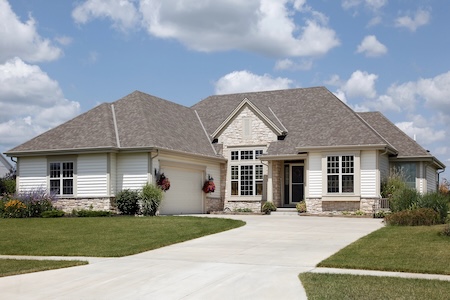
If your driveway turns dark green after a few rainy days, you are not alone. Jacksonville’s warm, humid air feeds algae that make concrete slick and stained. Homeowners often ask how to fix a slippery driveway without harming the surface. Here is a clear, local guide to professional driveway cleaning Jacksonville residents trust, with a focus on preventing etching and keeping your concrete looking great.
For a deeper look at what happens during a professional visit, explore our driveway and sidewalk cleaning service details as you read.
Why Jacksonville Driveways Grow Algae Fast
Between sea breeze moisture, afternoon showers, and shaded oaks, driveways in neighborhoods like Mandarin, San Marco, Riverside, and Nocatee stay damp longer than in drier cities. That moisture, mixed with pollen and dust, becomes food for algae and mildew. Coastal salt air near Jacksonville Beach and Ponte Vedra can also leave a light film that traps grime, so stains return faster if surfaces are not treated the right way.
- Shade and standing water slow drying and invite algae growth.
- Irrigation overspray and mulch dye can feed discoloration that looks like typical dirt but bonds to concrete pores.
How Pros Remove Algae Without Etching Concrete
Concrete is tough, but it is not bulletproof. The wrong nozzle, a tight tip held too close, or blasting at sharp angles can score the surface and leave zebra stripes. Professional cleaners in Jacksonville avoid this by pairing calibrated equipment with controlled application methods that protect the paste layer of your concrete.
Equipment That Protects Concrete
Experienced technicians rely on even, gliding tools that spread force across the surface instead of concentrating it. A balanced approach matters more than raw pressure. **Never “carve” into a stain with a pinpoint jet.** That is where etching and permanent striping begin.
Chemistry That Lifts Organic Growth
Algae anchor into tiny pores. Simply pushing water harder can drive spores deeper. Trained crews use professional solutions designed to break the bond and suspend the growth so it rinses away cleanly. The aim is gentle chemistry first, measured agitation second. **Ask for a process that prioritizes low pressure with the right detergents** so the clean lasts and the surface integrity stays intact.
Rinsing, Neutralizing, And Post‑Treatment
After the initial pass, a controlled rinse moves residues off the slab, followed by a targeted post‑treatment that slows regrowth. In our climate, this step is key. **Skipping post‑treatment is one of the fastest ways to see algae return** even after a surface looks good on day one.
Pressure Versus Solutions: What Really Works in Jacksonville
It is common to compare “pressure vs chemicals,” but the safest long‑term answer is the right blend of both, guided by surface condition. High pressure alone may remove surface discoloration, yet it risks micro‑etching and speeds up future staining as pores open. On the other hand, solutions alone without even coverage can leave swirl marks and faint shadows. A professional sequence balances dwell time, tool speed, and rinse volume to deliver an even, bright finish that holds up in Florida humidity.
For a broader perspective on how exterior cleaning preserves your property, you can browse our article on how pressure washing can extend the life of your home’s exterior.
Safety And Slip Prevention After Summer Storms
Algae is more than a stain. It is slick. Wet tires, bare feet, and a thin film of growth are a risky combination on sloped driveways in areas like Ortega or Jacksonville Beach. Professional cleaning reduces slip hazards by removing the organic layer that gets extra slippery after afternoon downpours.
Local tip: After heavy June–September showers, give your driveway extra time to dry before evening foot traffic. A fresh professional clean improves traction, but standing water can still create a slick surface on steep sections.
Safety first: Keep kids, pets, and vehicles off the area until your cleaning crew confirms it is ready to use.
Should You Seal Your Driveway After Cleaning
Sealing is a smart add‑on for many Jacksonville homes, especially under heavy shade or near irrigation. The goal is to reduce moisture absorption and make the next clean easier. Penetrating sealers are popular for concrete because they help repel water without creating a glossy film that can trap moisture.
- Helps slow algae regrowth by keeping pores drier between rains.
- Makes routine maintenance faster since stains have a harder time sticking.
It is important to set expectations. **A sealer will not stop all growth forever.** Our climate is too humid for that. Think of sealing as a helpful shield that supports your cleaning plan rather than a one‑time cure.
Best Pairings For Northeast Florida Concrete
Many homeowners pair a professional deep clean with a breathable, penetrating sealer. This combo preserves the fresh look while letting moisture escape during our muggy weeks. Your technician can suggest a maintenance rhythm that matches your shade, drainage, and traffic patterns.
What A Sealer Will Not Do
Sealers do not fix etched lines or tiger stripes caused by past misuse of high pressure. Those marks are physical changes to the surface. A careful clean today prevents new damage and keeps any older marks from standing out.
How Often To Schedule Driveway Cleaning In Jacksonville FL
Frequency varies by shade and traffic, but most Jacksonville homes benefit from a professional clean once or twice a year. High‑shade areas in San Marco or Riverside may need shorter intervals, while open, sunny driveways might hold their bright look longer. If you notice the surface getting dark again after several rainy weeks, it is time to schedule.
If you are mapping out your seasonal exterior care, pairing a spring house rinse with a summer or early fall driveway service keeps curb appeal consistent. You can see options that complement driveway work on our house washing page.
Many homeowners first land on our site searching for driveway cleaning in Jacksonville FL. From there, they discover how a balanced process protects concrete and helps keep algae away longer between cleanings.
What To Expect From A Professional Visit
On service day a trained crew arrives with calibrated equipment, identifies shade and drainage patterns, and chooses the correct process for your slab’s finish. They protect nearby landscaping, apply the right solution, and use even, overlapping passes for a consistent appearance. After rinsing and post‑treatment, they walk the area with you to confirm the result and share simple care reminders like moving planters off the slab so trapped moisture does not create round marks.
To see how a professional sequence looks in practice around Jacksonville, review our overview for driveway and sidewalk cleaning while you plan your visit.
Simple Signs It Is Time To Call The Pros
- Green film returns a week or two after your last rainstorm.
- Tires squeal or slip slightly when backing out after showers.
- Shadows or stripes from old DIY blasts are getting more visible.
- Dark edges appear near mulch beds or along the garage threshold.
Ready To Make Your Driveway Safer And Brighter
When it is time to refresh your concrete, choose a team that treats algae at the root and protects the surface that supports your family every day. Advantage Softwash uses measured pressure, surface‑safe solutions, and post‑treatment steps designed for Northeast Florida humidity. To get started, call us at 904-701-2588 and set a convenient time.
If a clean, even finish with no striping is your goal, schedule professional professional driveway cleaning today. Your entry will look brighter, traction will improve, and upkeep will feel easier all year long.
Unleash the Potential of Your Home's Exterior With Our Pressure Washing Services In Jacksonville, FL